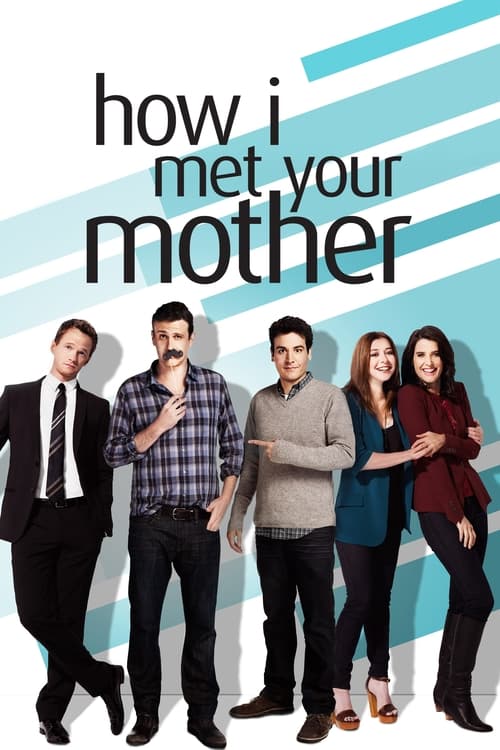
How I Met Your Mother
Season 9 Analysis
Season Overview
Suit up and give one last high-five for the legend — wait for it — dary final season of How I Met Your Mother. Surprising answers to hilarious questions will be revealed during one epic wedding weekend. Can Marshall complete a cross-country road trip and make it to the ceremony? Will Robin and Barney really tie the knot? Is Lily hiding a shocking secret? Will Ted finally meet the mother of his children... and is she truly "the one"? It all builds to a climactic two-part series finale, leading to one of the most talked about endings in TV history.
Season Review
Categorical Breakdown
The narrative does not center on race or immutable characteristics, focusing purely on friendship, career, and romance. All five main characters are white, and the story is not used to lecture on privilege or systemic oppression. Character issues are entirely personal and moral, not based on identity or intersectional hierarchy.
The season is dedicated to a major Western institution—a formal wedding—and the central conflict includes Marshall accepting a judgeship to the New York Supreme Court, supporting a legal institution. The themes celebrated are commitment, family, and tradition, showing gratitude for institutions that provide shields against chaos. Hostility toward Western civilization or ancestors is absent.
The final episodes depict Robin, the career-first character, as a "Girl Boss" whose professional success as an international correspondent directly leads to the collapse of her marriage and friendship with the group. The Mother (Tracy), a character who represents the core promise of traditional family, is killed off, creating a narrative that turns motherhood and marriage into a transitional phase for the male protagonist's ultimate return to the high-powered, anti-natalist female lead. This undermines the value of motherhood and elevates career as the ultimate form of female fulfillment.
The core plot adheres to a normative structure centered on a traditional wedding, but the show's humor across its run, likely continuing into this season, includes repeated jokes where characters express horror at the possibility of dating a transgender person. The comedic framing of gender non-conformity as a shocking 'dealbreaker' in a relationship, and the recurring 'Who's Hot and Who's Scott' gag, mocks alternative sexualities rather than affirming the nuclear family structure without lecturing.
The characters operate in a largely secular world guided by personal morality and friendship. Traditional faith is not presented as a source of strength, but neither is it a source of evil, and Christian characters are not vilified. The morality is more subjective and pragmatic, keeping the show from the lowest score, but it does not actively oppose or attack religion.