How I Met Your Mother
Season 7 Analysis
Season Overview
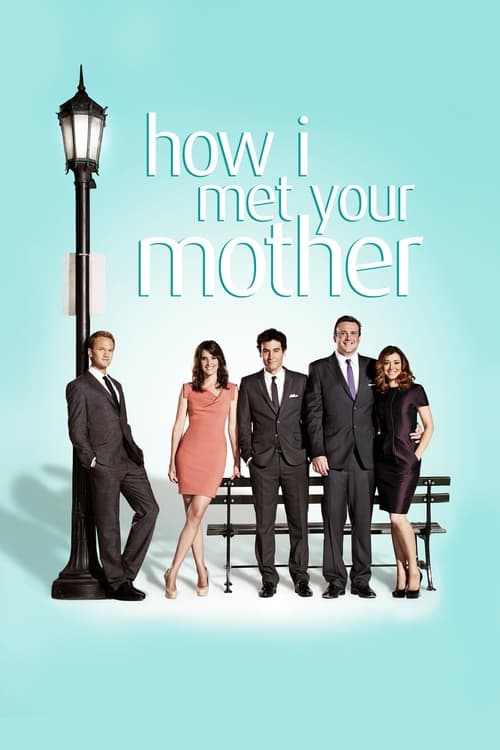
With both a baby and a wedding on the way, change is in the air and awesomeness abounds in the hilariously unpredictable Season Seven of How I Met Your Mother. As Marshall and Lily move away to start their family, Ted continues the search for the woman of his dreams. Meanwhile, Robin reveals a shocking secret and special guest star Katie Holmes joins the fun in the long-awaited return of the Slutty Pumpkin! And, wedding bells are ringing at last for confirmed bachelor Barney, but why is he wearing that ridiculous ducky tie, and just who is the "lucky" lady?
Season Review
Categorical Breakdown
The narrative does not center on race or intersectional hierarchy; the main cast is white, and characters of color like Kevin (Kal Penn) are defined by their profession and role as a romantic interest. The storyline involving Barney’s Black, gay brother James is presented as an accepted part of the family without a lecture on systemic issues. Character merit and personal flaws, not immutable characteristics, drive the plot.
There is no significant hostility toward Western civilization. The conflict between Marshall and Lily’s move to the suburbs (Long Island) versus New York City is a classic American sitcom trope about lifestyle choice, not a deconstruction of heritage. Marshall's dream of being an environmental lawyer critiques corporate greed, but frames a universal moral good (protecting the Earth) as the superior path, not a demonization of Western society itself.
This category receives a moderate score due to the complexities in Robin's character arc. Robin is presented as a 'Girl Boss' with a strong, career-driven identity and a longtime aversion to marriage and children. The narrative's decision to make her infertile, and her subsequent hidden devastation, touches on an anti-natalist theme by showing her initial relief at not being pregnant, but ultimately provides a sympathetic portrayal of her loss of biological choice. Men like Marshall and Ted are competent and loving, while Barney’s predatory behavior is positioned as a vice he must overcome for personal growth and a committed relationship.
The core of the show reinforces the heterosexual nuclear family as the standard goal, exemplified by Marshall and Lily's new baby and the search for 'The Mother.' Barney’s gay brother James is a positively portrayed, married, and present father, which reflects a progressive acceptance of same-sex relationships but does not deconstruct the traditional nuclear family structure itself. A controversial joke-game in the season about identifying a potential transgender person shows a lack of a modern ‘Queer Theory’ lens, but rather an earlier style of humor now viewed as insensitive.
Religion is functionally absent from the narrative as a source of good or evil. The characters operate in a secular moral universe, but they pursue objective emotional 'truths' such like the existence of a 'soulmate.' Marshall’s career path is guided by a strong, transcendent moral ideal (environmental justice). There is no vilification of religion, and the primary moral framework is centered on traditional themes of romantic love, friendship, and family bonds.