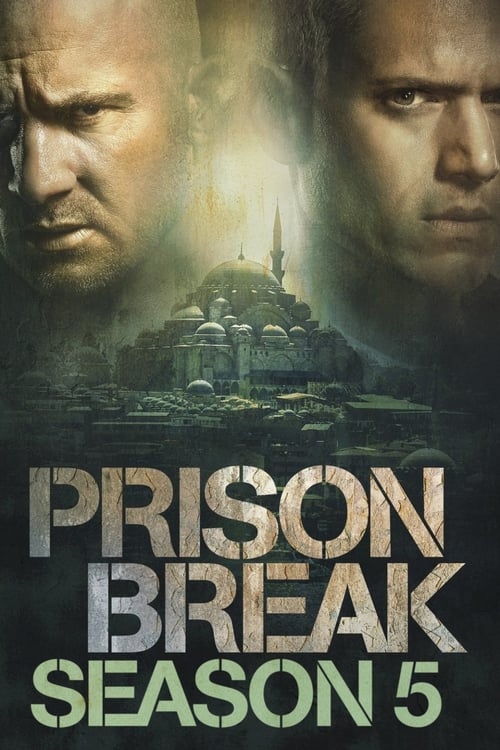
Prison Break
Season 5 Analysis
Season Overview
Seven years later, thanks to an information provided by T-Bag, Lincoln and Sara discover that Michael is still alive in a Yemen prison, so they develop a plan to get him out.
Season Review
Categorical Breakdown
The plot focuses on character merit, such as Michael's planning and intelligence, rather than immutable characteristics. The diverse casting of supporting heroes, like C-Note and Sheba, is integrated naturally into the Yemeni setting and their established competencies in the narrative. There is no explicit lecturing on racial privilege or systemic oppression; the primary conflict remains a criminal conspiracy.
The central narrative is a modern retelling of *The Odyssey*, which fundamentally values the Western concept of 'home' (Ithaca/USA) as the ultimate destination and shield against chaos. The primary villain, Poseidon, is a white male former CIA agent, continuing the show's tradition of critiquing corrupt *parts* of Western institutions, not Western civilization or ancestry in total. The protagonists are trying to *return* to the US.
The main emotional drive is Michael's fierce desire to reunite with and protect his wife, Sara, and their young son, reinforcing a pro-natalist, family-centric theme. Sara is portrayed as an independent, competent doctor and mother who protects her child. Female antagonists, such as A&W, are ruthless and competent operatives, but the narrative does not rely on emasculating the male leads or frame motherhood as a 'prison.'
The season centers entirely on the traditional male-female pairing of Michael and Sara and the nuclear family unit (father, mother, son). No significant plotlines or characters are centered around alternative sexualities or gender ideology. The sexuality presented is normative and private to the adult characters.
Faith is not demonized. C-Note, a long-established character, is a practicing Muslim convert and is portrayed as a good, moral force who helps Michael and Lincoln. The religious antagonists are an 'ISIS-style' extremist group, which is framed as a sociopolitical problem and a distortion of faith, not a general condemnation of traditional religion or objective morality.