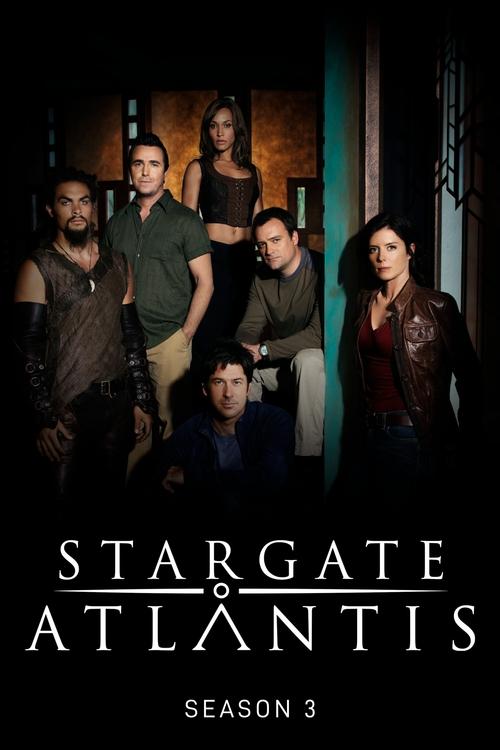
Stargate Atlantis
Season 3 Analysis
Season Overview
The team faces escalating conflicts with both old and new adversaries, including the Wraith and a deadly new faction. The discovery of a potential game-changing technology introduces new ethical dilemmas, while relationships within the team are tested under growing pressures.
Season Review
Categorical Breakdown
The narrative judges characters by their contributions to the mission. The diverse cast operates as a cohesive unit where race and origin are irrelevant to authority, competence, or respect.
The story portrays the defense of Earth as a noble and essential goal. Characters respect their heritage and focus on preserving human civilization and Western-aligned values against existential threats.
Women like Elizabeth Weir and Teyla Emmagan hold positions of power based on proven competence. Men are portrayed as protective and intellectually gifted, with no attempt to emasculate them or frame motherhood as a negative.
The show features traditional romantic pairings and normative structures. There is no mention of gender ideology or alternative sexualities, keeping the narrative focused on the sci-fi plot.
The series critiques those who use technology to pose as false gods to enslave others. It maintains a respect for the mysteries of the universe and higher consciousness without attacking traditional religious faith.