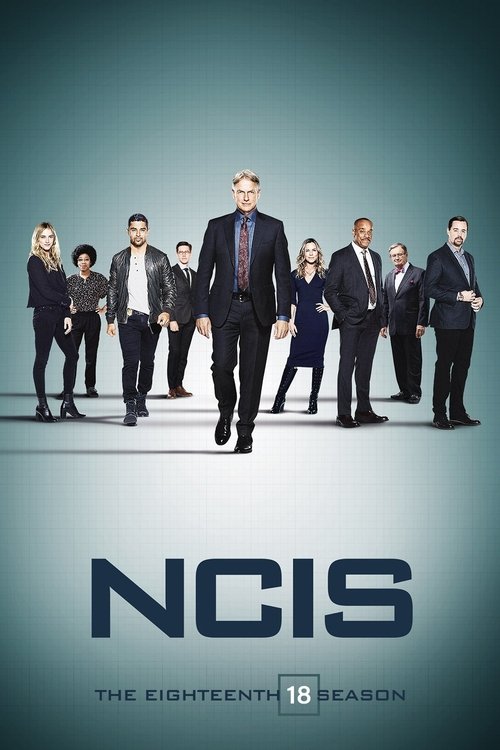
NCIS
Season 18 Analysis
Season Overview
No specific overview for this season.
Season Review
Categorical Breakdown
The plot centers on the suspension and institutional critique of the long-standing White male protagonist, Gibbs, for acting as a vigilante against another White male abuser. This deconstructs the traditional 'White male hero' archetype by showing his methods are no longer sanctioned. Casting is diverse with main characters like Torres and Hines, but the story does not directly lecture on race or privilege.
Agent Sloane leaves the U.S. institution (NCIS) to remain in Afghanistan and aid kidnapped girls, framing the foreign mission as a higher, more emotionally fulfilling cause than her professional duties in the United States. This suggests a subtle deconstruction of the American institution’s ability to provide purpose. The main hero, Gibbs, is suspended by the organization he has served for decades.
This category scores high due to the 'Girl Boss' tropes and anti-natal subtext. Two main female characters, Sloane and Bishop, depart to pursue highly competent, non-team-dependent, and morally elevated missions. The plot sacrifices the wife of a long-term male character (Palmer's wife Breena) via a quick, off-screen COVID-19 death, which prioritizes the male character’s professional grief arc over the importance of the family unit. The main male authority figure, Gibbs, is emasculated by being indefinitely suspended.
There is no evidence in the major plotlines of centering alternative sexualities, deconstructing the nuclear family as an institution, or incorporating gender ideology into the narrative.
The primary moral conflict of the season is secular, focusing on Gibbs’ vigilante justice versus institutional rules and bureaucracy. The show contains no narrative hostility toward religion or Christian characters.