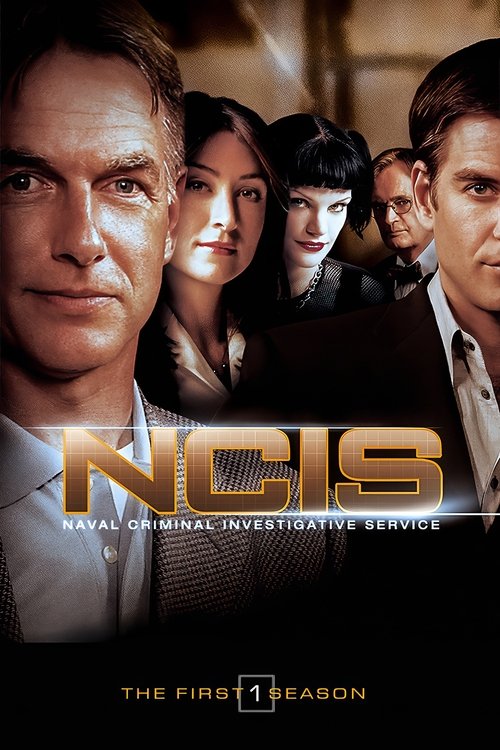
NCIS
Season 1 Analysis
Season Overview
No specific overview for this season.
Season Review
Categorical Breakdown
Characters are judged by their professional skills and ability to solve naval crimes; the team features a core of competent agents defined by their specific roles (Supervisory Agent, Senior Agent, Forensic Specialist). The narrative does not pause for lectures on race, privilege, or systemic oppression. Casting is largely conventional for the period and does not engage in forced diversity or the vilification of white males.
The show is explicitly dedicated to an American institution, the Naval Criminal Investigative Service, and the protection of military service members. The agents are depicted as dedicated to upholding US law and order, framing the institution as a shield against chaos. There is no deconstruction of American heritage or hostility toward Western civilization; the show is an endorsement of institutional competence.
Male agent Tony DiNozzo is consistently depicted as a 'sleaze' who engages in sexual harassment and inappropriate comments toward Agent Kate Todd, creating a toxic workplace dynamic. While the professional female characters (Todd and Abby Sciuto) are highly competent and essential to the team, the narrative does not use the toxic male behavior as a plot device to lecture on systemic misogyny or female oppression. The dynamic reflects a pre-woke, 'bro-ish' culture that the women successfully navigate through personal agency, not political argument.
The core narrative structure is normative, presenting traditional male-female pairing as the standard. An episode addresses a transgender-coded character, but the dialogue and character reactions actively reject the idea of gender identity, featuring characters using slurs and misgendering the person. This is an intense, explicit rejection of 'queer theory' and thus scores a 1, as it is the ideological opposite of centering the sexual ideology.
The cases are driven by a need for objective, verifiable truth to solve crimes. Religion or faith is not a central theme, nor is it vilified. There is no narrative push toward moral relativism; the legal system's pursuit of justice and the clear moral law against murder remain the foundation of every plot.