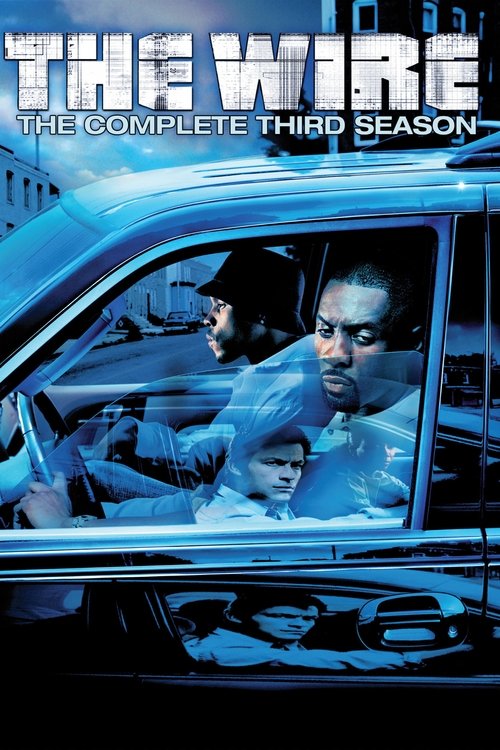
The Wire
Season 3 Analysis
Season Overview
The heat is on in Baltimore. The drug war is being lost, bodies are piling up, and a desperate mayor wants the tide turned before the election. But the police department hasn't got any answers. Wiretaps haven’t worked. Neither have stakeouts or street busts. With the demolition of the Franklin Terrace towers, Stringer Bell and the Barksdale crew have been forced to improvise. But no matter how hard McNulty and the detail try, the dealers always seem to be one step ahead of the game. It’s time to change the rules.
Season Review
Categorical Breakdown
Characters are judged by their 'game' and professional merit rather than immutable traits. Racial dynamics are portrayed as a cynical tool of political maneuvering rather than a lecture on systemic privilege.
The plot focuses on the fundamental failure and corruption of American urban institutions like the police and city hall. It frames the local system as a cycle of decay that individuals are powerless to fix.
Female characters like Kima Greggs are competent but deeply flawed and face the same professional risks as men. The show avoids the 'Girl Boss' trope by depicting motherhood and domestic life as difficult, grounded realities.
The series features prominent gay characters like Omar Little, but their sexuality is treated as a secondary trait to their roles in the criminal or legal system. There is no focus on gender theory or ideological lecturing.
The narrative presents the 'Deacon' as a positive moral anchor and a source of wisdom. Faith is depicted as a stabilizing force for characters seeking redemption or community reform.