The Wire
Season 2 Analysis
Season Overview
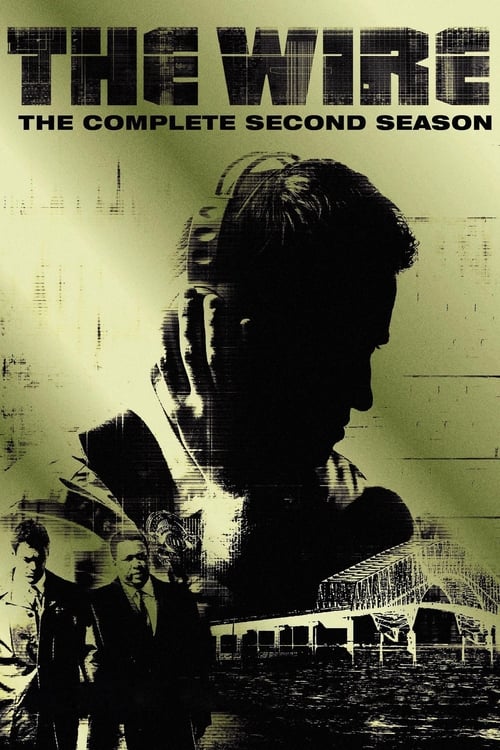
McNulty's on harbor patrol. Daniels is in the police-archives dungeon. Prez is chafing in the suburbs. Greggs has a desk job. The detail may be on ice, but corruption marches on . . . and a horrific discovery is about to turn the Baltimore shipping port inside out. Setting up in the wake of the first season's joint homicide/narcotics detail that exposed a major drug operation — and left its members stigmatized and reassigned — the second season expands to include not only familiar drug dealers, but a group of longshoremen and organized crime members who are caught up in a major homicide case.
Season Review
Categorical Breakdown
The season focuses heavily on the white working-class Sobotka family and the Polish-American community. Characters are defined by their labor, their loyalty to the union, and their personal failings rather than their place in an intersectional hierarchy.
The story portrays American industrial and legal institutions as decaying and fundamentally broken. It presents the American Dream as an impossibility for the average worker, framing the city’s leadership and police hierarchy as obstacles to justice.
Female characters like Beadie Russell and Kima Greggs are depicted as flawed and realistic professionals. There are no 'Girl Boss' tropes; they struggle with their roles, make mistakes, and face the same harsh consequences as their male counterparts.
The show features prominent gay and lesbian characters whose sexual orientation is a settled part of their identity. The narrative avoids preaching or deconstructing the nuclear family, focusing instead on their roles as investigators or criminals.
The worldview is strictly secular and cynical. While the show does not actively attack the church, it depicts a world where traditional morality and faith are absent, replaced by the cold logic of survival and institutional self-interest.