The Wire
Season 1 Analysis
Season Overview
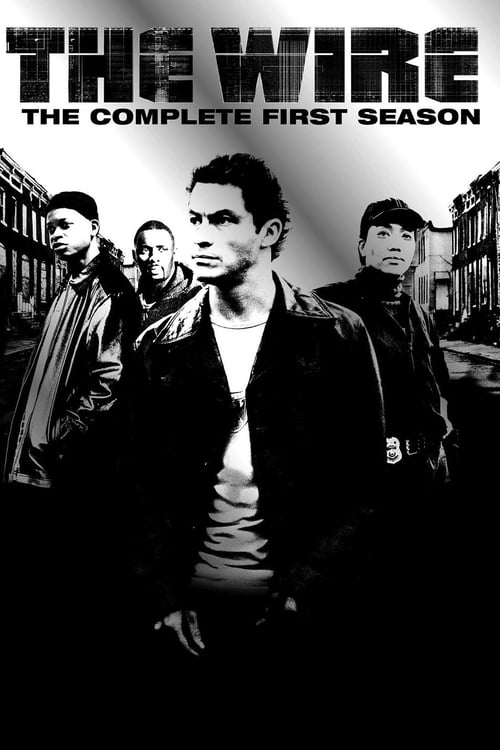
On the drug-infested streets of West Baltimore, there are good guys and there are bad guys. Sometimes you need more than a badge to tell them apart. Season 1 follows a single sprawling drug and murder investigation in Baltimore — one that culminates in a complex series of dangerous wiretaps and surveillance.
Season Review
Categorical Breakdown
The plot centers on systemic oppression and the idea that institutional structures determine destiny rather than individual character. It highlights a rigid hierarchy where the game is rigged against those at the bottom.
The series portrays the Baltimore Police Department and city government as fundamentally broken, corrupt, and self-serving. It depicts Western legal and social institutions as obstacles to justice rather than protectors of it.
The show features a lead female detective who is consistently more competent and level-headed than her male peers. While she has personal flaws, the narrative positions her as the professional ideal in a department of bumbling or corrupt men.
The season includes prominent gay characters whose sexual identities are central to their lives. It depicts same-sex domestic partnerships as a direct alternative to the traditional nuclear family, which was highly progressive for the early 2000s.
The characters operate in a spiritual vacuum where traditional religion is non-existent. Morality is entirely relative and based on the survival-focused 'rules of the game' rather than any objective or transcendent truth.