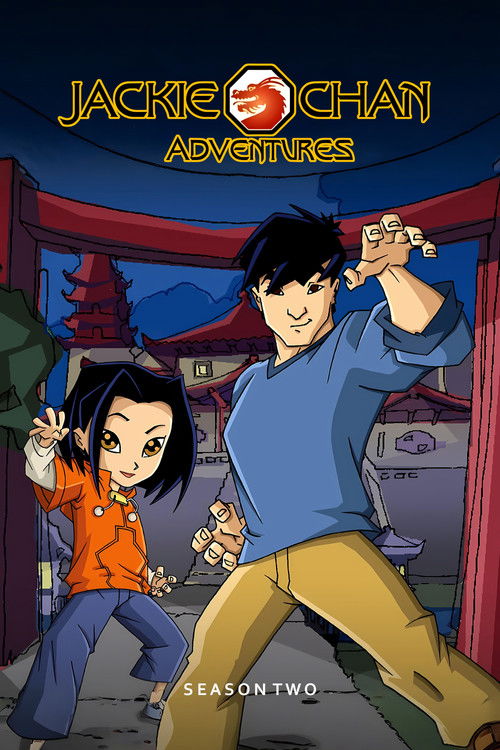
Jackie Chan Adventures
Season 2 Analysis
Season Overview
No specific overview for this season.
Season Review
Categorical Breakdown
The show portrays its diverse cast as a unified team defined by their unique skills and shared mission. It rejects identity-based grievances in favor of universal meritocracy and a respect for Chinese heritage that does not exclude or vilify others.
Ancient traditions and the wisdom of ancestors are depicted as the essential shield against chaos. The narrative displays deep gratitude for cultural roots and reinforces the stability of the family unit.
Male characters are shown as protective and authoritative role models, while female characters like Jade are spirited but require the guidance of their elders. The show celebrates the complementary strengths of the team and respects traditional maternal authority.
The series adheres strictly to normative social structures, focusing entirely on family dynamics and platonic heroism. There is zero inclusion of sexual ideology or gender theory.
Morality is framed as an objective battle between clearly defined good and evil forces. The use of magic is rooted in spiritual laws that demand discipline and humility, acknowledging a higher moral order.