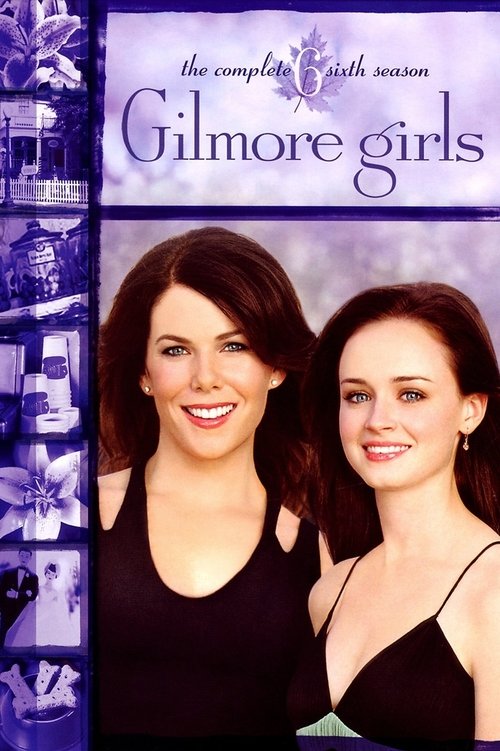
Gilmore Girls
Season 6 Analysis
Season Overview
No specific overview for this season.
Season Review
Categorical Breakdown
The show features a predominantly white cast and evaluates characters based on their individual merits and flaws. There is no mention of systemic oppression or intersectional power dynamics. Diversity is background-level and never used as a tool for political lecturing.
Stars Hollow is presented as an idealized American community. The characters participate in town traditions and respect local institutions. Even the wealthy elite are portrayed with nuance rather than as purely corrupt symbols of Western civilization.
The series focuses on independent women, but it rejects 'man-hating' tropes. Men like Luke Danes are depicted as competent, protective, and essential. While Rory shows some 'Mary Sue' tendencies in her academic and professional life, she also faces significant failures and emotional struggles.
The season adheres to a normative structure centered on heterosexual relationships and the nuclear family. There is no presence of gender theory or the centering of alternative sexualities. Sexual identity is not a plot point or a defining character trait.
Religion is treated as a cultural and community fixture. While not a religious show, it avoids hostility toward faith. Characters interact with religious settings without the narrative framing traditional beliefs as bigoted or oppressive.