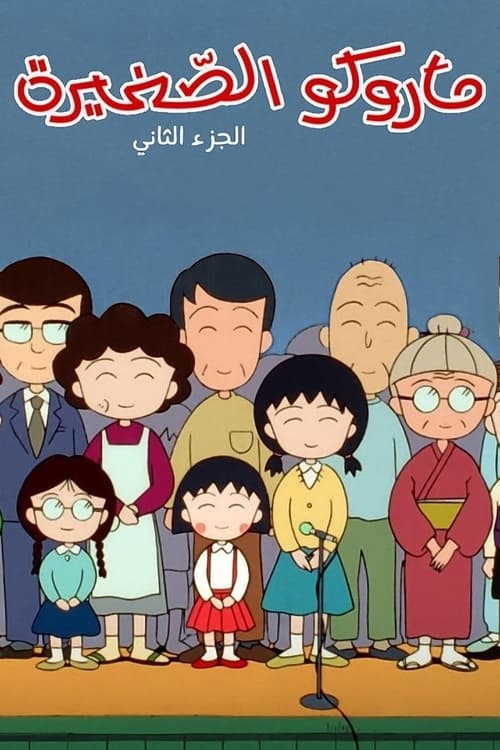
Chibi Maruko-chan
Season 2 Analysis
Season Overview
No specific overview for this season.
Season Review
Categorical Breakdown
The entire cast is Japanese, and the show is a period piece focused on Japanese family life in the 1970s. Characters are defined by their universal human quirks and individual merits or failings, such as Maruko's laziness or Hanawa's pretension, not by an intersectional hierarchy. The narrative offers no lectures on privilege or systemic oppression.
The series is a pure expression of nostalgia, serving as a 'cultural archive' that celebrates the simple life of the Showa era. It frames the family and local community as a source of comfort and stability. The show respects the home culture and heritage and does not contain any civilizational self-hatred or 'Noble Savage' tropes.
The female lead is a flawed, lazy, and highly relatable child who often gets into trouble, completely counter to the 'Girl Boss' or 'Mary Sue' trope. The family operates under traditional complementary roles, but the focus is on functional, multi-generational family bonds. There is no anti-natalist messaging or emasculation of male figures; the grandfather is a key source of warmth and humor.
The focus is strictly on the innocence and universal experiences of a nine-year-old child and her normative extended family. The nuclear family structure is the unquestioned standard of the world. No alternative sexual ideology, centering of queer identity, or lecturing on gender theory is present in the narrative.
The series is largely secular but consistently promotes objective moral truths, empathy, kindness, and perseverance through simple life lessons. These universal values provide a clear 'Transcendent Morality' framework. There is no hostility toward religion or promotion of moral relativism; the narrative supports a traditional moral law.