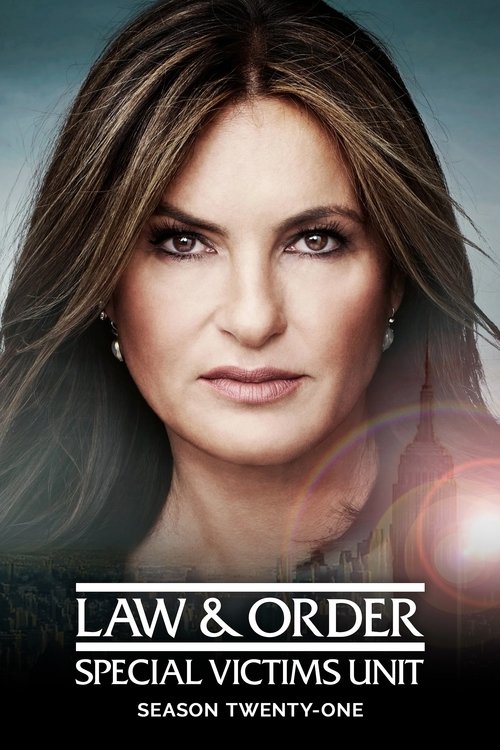
Law & Order: Special Victims Unit
Season 21 Analysis
Season Overview
No specific overview for this season.
Season Review
Categorical Breakdown
The narrative explicitly frames justice through the lens of class and culture, stating that class differences determine how a case is handled. The wealthy and powerful male figures are depicted as inherently protected and difficult to prosecute. New Deputy Chief Christian Garland is introduced as a figure who emphasizes the community's lack of trust in the police, positioning the justice system as fundamentally flawed and systemically biased against the vulnerable.
The institutions of Western civilization, particularly the NYPD and the Manhattan District Attorney's office, are consistently presented as flawed, political, or prone to systemic failures. The show dwells on the inherent corruption and bias within the system rather than portraying institutions as shields against chaos, which aligns with a deconstructive view of home culture.
Captain Olivia Benson is the moral compass and absolute center of the series, an ultimate 'Girl Boss' who is constantly promoted and proven correct. The core male colleague, Carisi, is moved out of the investigative squad into a more bureaucratic role as an Assistant District Attorney, effectively shifting the primary action away from a male lead. A young, new female detective, Kat Tamin, is introduced and quickly established in the squad, reinforcing the all-female leadership and frontline roles.
Alternative sexualities and gender identity are actively centered in the narrative, going far beyond private background details. An episode features a serial predator targeting men in gay bars. Another case is focused on a transgender woman who is raped, and the plot addresses the victim's distrust of the legal system due to transphobia and past failures, directly confronting 'blatant transphobic statements'. The show clearly positions sexual identity as a primary vector for systemic injustice.
The series maintains a consistently secular moral framework where justice is administered by the state and social change. The sole significant reference to traditional religion is an episode where a pastor at Deputy Chief Garland's church is arrested for a sex crime, which employs a common trope of associating clergy with hypocrisy and corruption. Morality is largely depicted as a subjective matter of power dynamics and social equality rather than a transcendent or objective law.