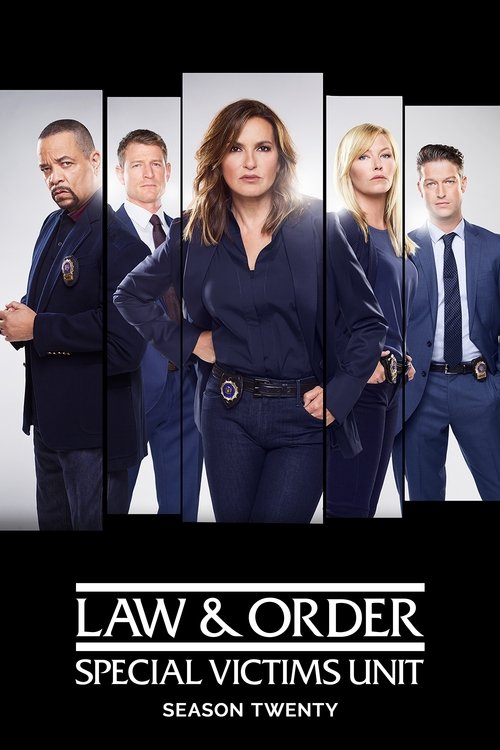
Law & Order: Special Victims Unit
Season 20 Analysis
Season Overview
No specific overview for this season.
Season Review
Categorical Breakdown
The narrative frequently highlights racial and cultural tensions, such as a major episode centered on a falsely reported hate crime involving a Muslim lesbian and Jewish boys, which pivots to discussing abusive cultural practices under Sharia Law. Another episode frames United States immigration authorities as a threat that must be actively circumvented to protect a trafficking victim. Wealthy and powerful white males, exemplified by a celebrity surgeon and a master rapist, are systematically portrayed as untouchable abusers who benefit from systemic privilege.
The season contains multiple episodes that critique American elite culture and institutions, drawing heavily from contemporary political scandals, such as those related to powerful men being brought down by sexual misconduct allegations. The system is consistently depicted as broken, requiring the main characters to engage in unethical or illegal actions, such as planting evidence in the season finale, which frames American legal institutions as fundamentally unable to deliver true justice without being subverted.
The score is high due to the strong 'Girl Boss' trope surrounding Captain Benson, who is consistently depicted as the flawless, unblemished moral center of the department and a 'beacon of recognition for survivors.' The season ends with the male Assistant District Attorney having to compromise his ethics, break the law, and ultimately leave the show to secure a conviction, reinforcing Benson's superior moral authority. The men on the team are either in support roles or shown to be ethically compromised.
The presence of queer theory themes is high, as the series is explicitly focused on 'political and societal issues associated with gender identity and sexual preferences.' A key storyline centers on a lesbian Muslim woman's experience, making intersectional sexual identity central to the plot's main conflict. The show’s overall environment continually normalizes and centers non-traditional sexualities and gender issues as a core part of its mission.
While Christianity is not overtly demonized as the root of all evil, the finale promotes a view where morality is entirely subjective and situational. The main characters, including the ADA, embrace moral relativism by justifying illegal, manipulative actions as necessary to achieve their version of a righteous outcome, effectively positioning a personal, secular 'higher moral law' outside of and above objective legal or religious truth.