Raw
Season 8 Analysis
Season Overview
The McMahon family is fractured as a new millennium dawns on Raw in the year 2000. Superstars from down south join WWE, Mick Foley says goodbye to the ring and hello to a new role as WWE Commissioner, and more.
Season Review
Categorical Breakdown
The main conflict is a power struggle where villains are white authority figures who use their privilege to maintain control. Heroes of diverse backgrounds, such as The Rock, are positioned as champions based purely on their popularity and wrestling merit. The narrative does not focus on intersectional hierarchy or vilify 'whiteness' as a concept of oppression.
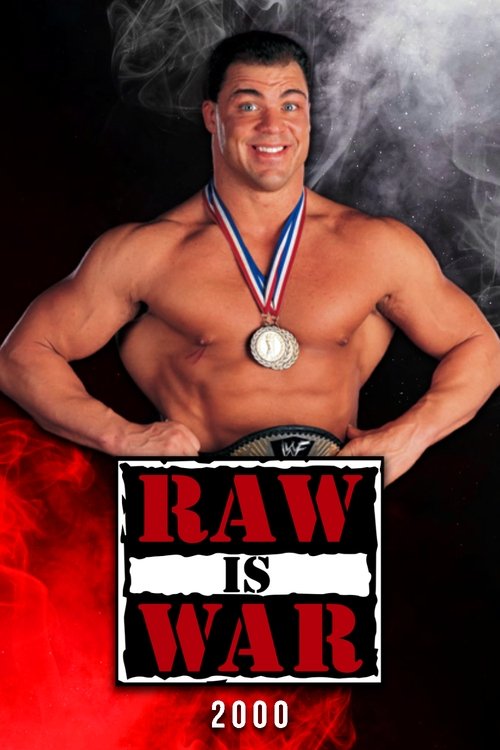
The series is entirely American-centric in its corporate setting and themes. A character's Olympic gold medal achievement is used as a boast of national and personal excellence. The story features no critique of Western civilization or institutions, and no elements of the 'Noble Savage' trope are present.
Female characters hold key positions of power as authority figures and champions, notably Stephanie McMahon-Helmsley and Chyna, who holds a male-dominated title. This high score reflects the presence of female dominance and powerful 'Girl Boss' tropes. This is contrasted by the frequent sexual objectification and the inclusion of segments like 'Bra and Panties' matches, preventing a higher score, as the intent is not an anti-natalist or anti-male lecture.
Sexuality is a private matter, serving as melodrama or comedic enhancement, and is strictly confined to traditional male-female pairings. There is no focus on centering alternative sexualities, gender identity theory, or deconstructing the nuclear family structure.
The core plot is built on a clear moral axis of justice versus corrupt authority. Characters are judged on their actions within the company's ethical framework, maintaining a transcendent moral law (good and evil) regardless of their non-religious context. Traditional religion is absent as a subject of critique or hostility.