Raw
Season 6 Analysis
Season Overview
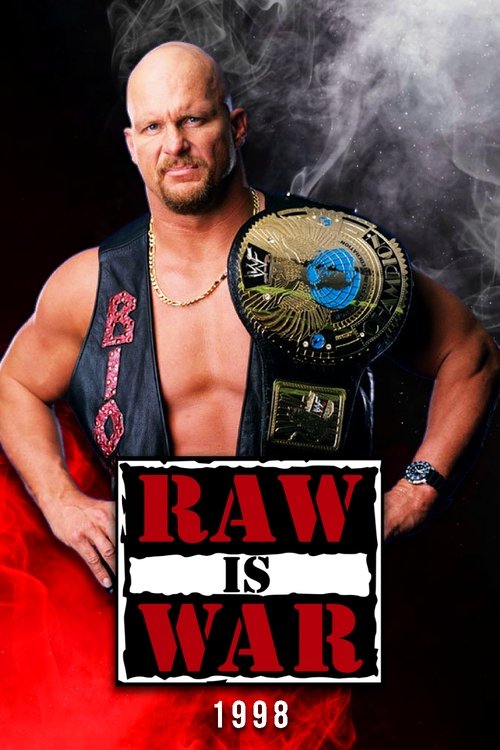
The Attitude Era kicks into high gear on Raw in 1998 as "Stone Cold" Steve Austin makes Mr. McMahon's life a living hell while Triple H leads D-Generation X to war not only against the entire WWE, but also WCW.
Season Review
Categorical Breakdown
The main narrative centers on class warfare (Stone Cold vs. Mr. McMahon) and meritocratic title pursuit, not immutable characteristics. The few instances of overtly racial content, such as D-Generation X's blackface parody of the Nation of Domination, were used for cheap heat and shock, which, while deeply offensive, do not fit the framework of intersectional lecturing or 'vilification of whiteness,' but rather crude stereotype humor. The villain (McMahon) is the ultimate white male capitalist authority figure, while the hero (Austin) is the working-class white male rebel. This is a battle of power, not race.
The hostility is directed toward a domestic corporate authority figure (Mr. McMahon) and the strict social norms of the previous era, not Western civilization, the nation, or one's ancestors. The hero, Austin, embodies the spirit of an American rebel who disregards rules and authority, which is a common trope of individualistic freedom, celebrating non-conformity rather than civilizational self-hatred. The narrative frames institutions like the corporation as corrupt and ripe for deconstruction, but not a fundamentally corrupt home culture.
Gender dynamics are defined by hyper-sexualization and shock angles. Female characters like Sable are celebrated primarily as sex symbols who generate massive reactions, not for intellectual or professional merit. The character Chyna is a physically dominant, non-sexualized female bodyguard for a male stable, which subverts traditional roles but is framed as an exception to the hyper-masculine environment, not a call for 'Girl Boss' parity. The overall depiction of women is objectifying and focuses on spectacle, directly opposing anti-natal or feminist messaging.
Sexual dynamics are intensely heterosexual, featuring crude, sophomoric humor and gestures like the 'crotch chop.' The show centers on traditional male-female pairing or overt sexualized theatrics. The subject of alternative sexualities, gender ideology, or deconstructing the nuclear family is almost entirely absent. Sexuality is used for shock and immaturity, not as a political or ideological statement.
The core conflict is secular (Corporate Boss vs. Rebel). Storylines involving religious or occult themes, such as The Undertaker, Kane, and Paul Bearer, are treated as pure Gothic spectacle and melodrama rather than a critique of traditional religion. The drama focuses on supernatural familial feuds and control of the 'soul' as a dramatic device, not a lecture on religion as the root of evil. Faith is not central to the morality of the main characters, but there is no explicit anti-theistic messaging.