Raw
Season 5 Analysis
Season Overview
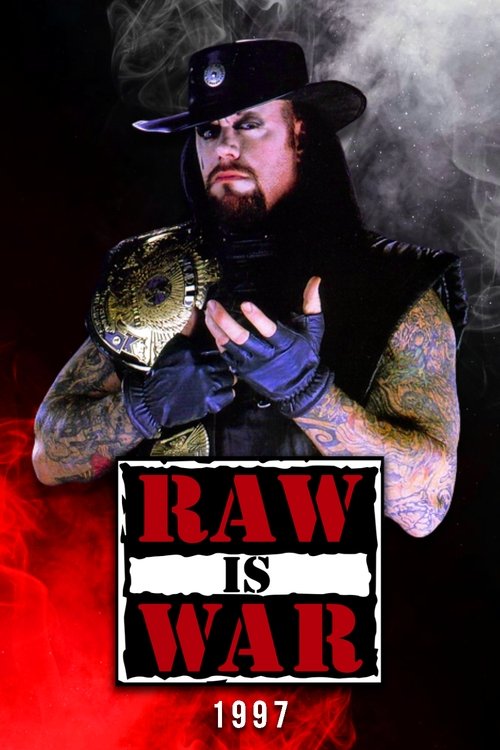
A new era is dawning on Monday Night Raw in 1997 as a pair of degenerates run roughshod over WWE, Canada's hero gets screwed by the boss...or himself, and The Deadman's brother appears from beyond the grave.
Season Review
Categorical Breakdown
The narrative makes use of clear racial and national identity tropes, such as The Hart Foundation's anti-American stance and the presence of the Nation of Domination, which are described as 'hyperracialized characters'. However, these are used as simple, traditional villain archetypes ('heel heat') and do not function to lecture on 'privilege' or 'systemic oppression' in the modern intersectional sense. Character merit, particularly in the form of anti-establishment individualism (Stone Cold Austin), is the primary driver of the main storyline.
Hostility toward one's own country is a central plot device, specifically with Bret Hart's faction, The Hart Foundation, framing Canada as morally superior to the 'hypocritical' American fanbase and culture. This is an explicit, but nationalistic, deconstruction of the 'American Hero' trope that defined previous wrestling eras. The core conflict remains within the Western sphere (USA vs. Canada/The Establishment), not a total demonization of all Western heritage; the show's hero (Austin) embodies American individualism and rebellion against authority.
The era is characterized by 'sexual content' and hyper-masculine dynamics. Female characters, while occasionally physically dominant (Chyna), are often presented as valets or sex objects, leaning into objectification tropes that directly oppose the 'Mary Sue' or 'Girl Boss' perfection metric. Men are celebrated for their protective, 'tough-guy' masculinity and anti-authority rebellion, which is the antithesis of the 'emasculation of males' definition.
The programming contains no centering of alternative sexualities or promotion of gender ideology. While sexual innuendo and 'adult-oriented content' are present, it is almost exclusively rooted in heterosexual shock value and the traditional nuclear family remains the normative structure for any presented relationship. The overall tone does not engage with or challenge biological reality.
Religion is largely absent from the major storylines, except for the purely gothic/supernatural elements involving The Undertaker and his brother Kane. The show's moral ambiguity revolves around the conflict between the individual and the oppressive corporate authority (Vince McMahon) and a general sense of secular anarchy. Traditional religion is neither a source of strength nor is it actively demonized or framed as the 'root of evil' for any primary character.