Raw
Season 3 Analysis
Season Overview
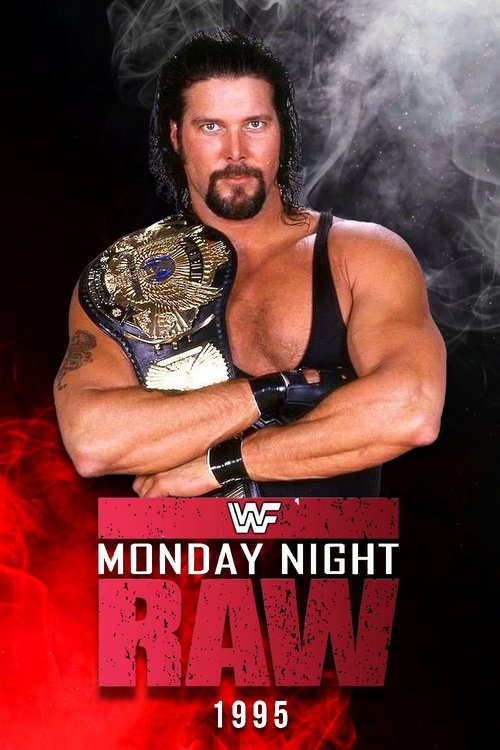
The stars of sports and entertainment shine bright on Monday Night Raw in 1995. William Shatner has a heated rivalry with Jerry Lawler while football great Lawrence Taylor set his sights on Bam Bam Bigelow.
Season Review
Categorical Breakdown
The narrative is driven by traditional wrestling tropes of merit (who wins the match) and simple morality (heel vs. face). Characters like the 'Corporate Injun' Tatanka or the snobby 'Connecticut Blue Blood' Triple H use broad identity stereotypes for villainy, but the program does not engage in any political lecturing on privilege or systemic oppression. Character vilification is based purely on the storyline requirement of being a 'bad guy,' and casting is consistent with simple entertainment archetypes.
The central narrative remains a celebratory spectacle of American sports entertainment. While heels like Yokozuna employ anti-American rhetoric to generate audience hostility, this is a basic, conventional method of generating heat as a villain. The 'Noble Savage' trope is absent, and there is no narrative deconstruction or philosophical framing of Western culture or institutions (family, nation) as fundamentally corrupt.
The program is fundamentally a male-dominated product focused on hyper-masculine competition. Female wrestlers, such as the Women's Champion Alundra Blayze, have matches but are not positioned as the main focus of the show. There is no messaging to emasculate men or promote an anti-natal/anti-family worldview; in fact, the show consistently celebrates traditional masculine strength and vitality.
The core structure is normative, focused on traditional male-female pairing as the unstated social background. The program's only relation to this category is the debut of Goldust, a character whose provocative androgyny and sexual ambiguity is used entirely as a sensationalist heel gimmick to illicit discomfort from the audience. This is showmanship and shock value, not an ideological centering of sexual identity or an argument for queer theory.
The show is devoid of serious theological commentary. Religious imagery is used for spectacle, such as The Undertaker's dark, supernatural gimmick and manager Paul Bearer's 'Too Spooky For You' promos. This is pure fantasy and drama, not a hostile attack on traditional religion or morality. Faith is not critiqued; morality is simply the binary of good (face) versus evil (heel) in a sports setting.