Raw
Season 27 Analysis
Season Overview
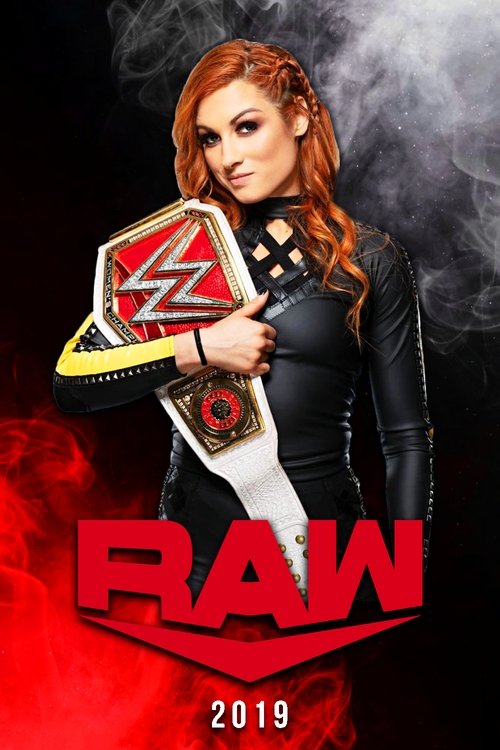
The longest-running weekly episodic television series in history continues to make history. This season, the McMahon Family retakes control of Raw and enforces its will on Superstars like Becky Lynch and more.
Season Review
Categorical Breakdown
The narrative foundation is built on individual merit, with the main hero earning her spot by winning the Royal Rumble and defeating champions, not by immutable characteristics. Main antagonists are authority figures who are vilified for being corrupt and power-hungry, not for 'whiteness' or any immutable trait. Casting relies on established professional wrestling tradition, not forced intersectional hierarchy.
The conflict is entirely internal, pitting the heroic performers against the corporate leadership (the McMahon family). The hero's fight is presented as a struggle for fair-play and success within the system, demonstrating respect for the institution of competition, rather than hostility toward the surrounding Western civilization or its history. The institution is corrupt, but not the civilization itself.
The core storyline centers on a female lead who explicitly adopts a traditionally male moniker, 'The Man,' to declare competitive superiority over all wrestlers, male and female. The character is portrayed as an instantly perfect, rebellious figure who is effortlessly able to overcome corporate authority figures (male and female) and is positioned as the top star in the entire company. This fulfills the definition of the 'Girl Boss' Mary Sue trope.
The primary storylines contain no discussion or thematic centering of alternative sexualities or gender ideology. The focus is exclusively on the anti-authority struggle and championship pursuits. Traditional male-female pairings remain the standard structure when relationships are addressed, and sexuality is not a component of the overarching conflict.
Religion is absent from the major plot points and themes of the season. Moral lines are drawn clearly between the heroic, rule-abiding wrestlers and the tyrannical, rule-bending corporate management. The narrative operates within a framework of objective good and evil based on sportsmanship and personal integrity.