Raw
Season 2 Analysis
Season Overview
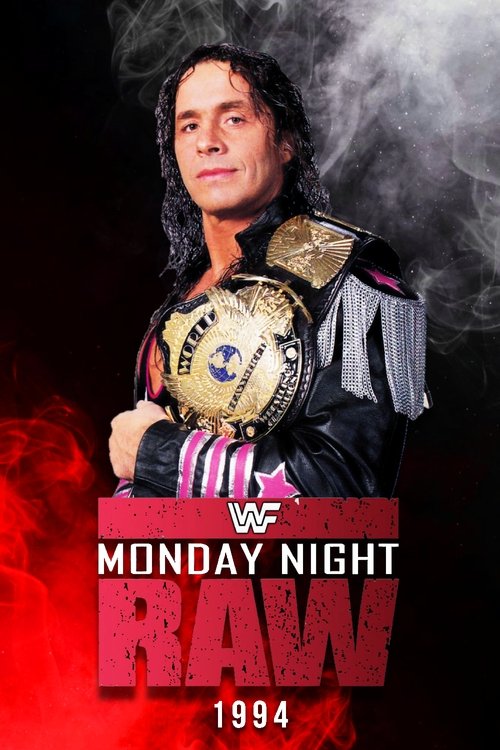
Throughout 1994, Monday Night Raw hosts a family feud as members of the Hart family choose sides in the heated brother-against-brother war between Bret "Hit Man" Hart and the youngest member of the family, Owen.
Season Review
Categorical Breakdown
The core Hart family feud is based on sibling jealousy and wrestling merit (Owen wanting to step out of Bret's shadow and claim the top prize), not immutable characteristics or race. Character casting includes performers of various ethnic backgrounds (Native American, Samoan, etc.), but their storylines avoid lecturing on systemic oppression. Villains and heroes are defined by their actions and wrestling alignment, not by vilification of 'whiteness'.
As a national American professional wrestling program in 1994, the show frequently celebrates its home culture, including a prominent Independence Day celebration promoting 'stars and stripes forever'. The main conflict involves the deconstruction of a single family (the Harts), but this is a personal, melodramatic betrayal, not hostility toward Western civilization or ancestors. Institutions like the family are seen as valuable and their fracturing is a tragedy.
Female representation is marginal, primarily featuring the WWF Women's Champion, Alundra Blayze, whose segments focus on in-ring competition and title defense, demonstrating female merit within the sport. There are no plots dedicated to the 'Girl Boss' trope, the emasculation of men is not a central theme, and there is no messaging that frames motherhood as a 'prison' or career as the sole path to fulfillment.
The program is a 1994 professional wrestling show that does not address alternative sexualities, gender identity, or queer theory in its narrative. The structure is exclusively normative, with the nuclear family (the Hart family) being the central drama. Sexuality is treated as private and is not centered as an identity trait in the narrative.
Moral dynamics are clearly drawn between 'good guys' (faces) and 'bad guys' (heels), establishing a sense of Objective Truth within the show's universe. While it is not a religious program, traditional religion is not vilified or portrayed as the root of evil. Characters are judged by their integrity and adherence to a higher moral law of sportsmanship (for the faces), not subjected to moral relativism as a philosophical theme.