Raw
Season 15 Analysis
Season Overview
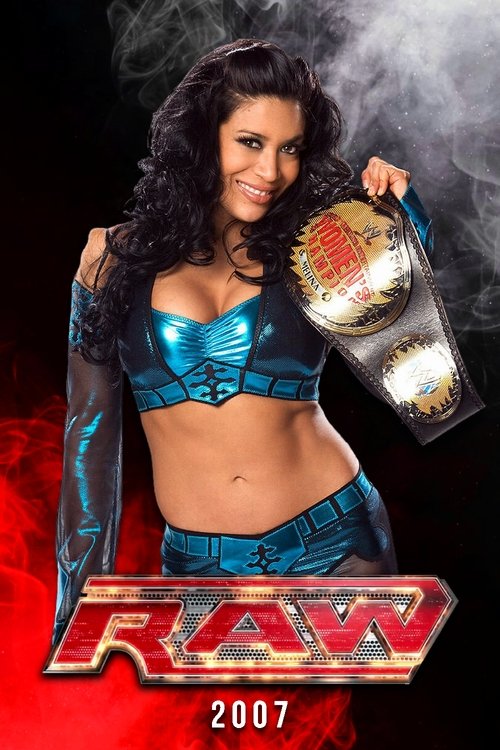
The beginning of the legendary rivalry between John Cena and Randy Orton highlights Raw in 2007. Plus, don't miss other unforgettable matches and moments like Umaga vs. Bobby Lashley and Mr. McMahon's son.
Season Review
Categorical Breakdown
The narrative is centered on competitive meritocracy, where the objective is to win a championship belt. Race, class, or immutable characteristics are not used to lecture on systemic oppression. Characters like Bobby Lashley and Umaga, while diverse, are established as powerful individuals whose standing is determined by their wrestling ability and alignment (hero or villain), not their background. There is no vilification of 'whiteness'; the main hero is a white male (John Cena), and the main villain is also a white male (Randy Orton).
The content focuses heavily on the internal politics of the wrestling company. Villains like Mr. McMahon represent corporate greed and authoritarian power, but they are not framed as critiques of Western civilization or national identity. The show is unapologetically American and populist. Institutions like family are briefly referenced in terms of lineage (Randy Orton, Mr. McMahon's son), and ancestors (wrestling 'Legends') are generally respected, which aligns with the 'Gratitude & Chesterton's Fence' definition.
Gender dynamics lean heavily toward traditional roles, with males dominating the main-event scene and being celebrated for their strength and aggression. The female characters are presented in the 'Divas' division, with narratives focused on catfights, sexualized storylines, and physical appearance. The powerful male lead, John Cena, represents protective masculinity, and the concept of the 'Girl Boss' or emasculation of males is not present in the primary storylines.
The series adheres to a completely normative structure. Sexual identity is private and is not a factor in any main storyline. The nuclear family structure is the assumed standard, with heterosexual relationships occasionally playing into secondary plots. There is no presence of queer theory, gender ideology, or deconstruction of biological reality.
Religious themes are entirely absent from the show's conflict. The narratives are driven by secular motives of power, money, and personal rivalry. Characters do not invoke objective moral truths in a religious sense, but the hero/villain binary maintains a simple, transcendent moral law that dictates the good guy should win and the bad guy should lose. Traditional religion is not vilified or featured.