Raw
Season 13 Analysis
Season Overview
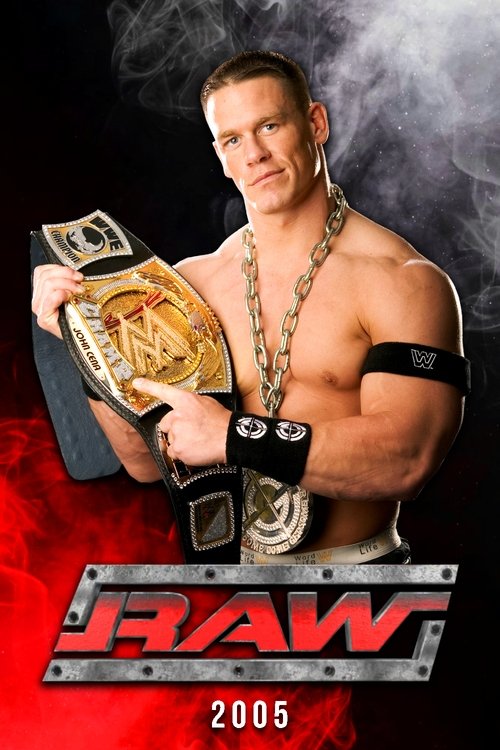
Things heat up in 2005 as John Cena declares "The champ is here!" on Raw, Evolution is fractured, wedding bells ring for Lita and Edge, and more. Plus, Raw is home to Tribute to the Troops for the first time.
Season Review
Categorical Breakdown
Characters overwhelmingly rise and fall based on their competitive success in the ring and personal charisma, a clear meritocracy. The main exception is the Muhammad Hassan storyline, a character whose villainous persona is explicitly built on railing against American prejudice, but the narrative frames this perspective as the one to be defeated. The top stars, John Cena and Batista, succeed entirely on traditional performance metrics.
The season contains an explicit expression of national pride and military reverence in the form of the 'Tribute to the Troops' special. This event directly celebrates the home culture and its institutions. While the Muhammad Hassan character acts as a villain who criticizes American society, his perspective is consistently framed as hostile and wrong, not spiritually superior.
The portrayal of women is heavily focused on sexual objectification (Divas Search, lingerie matches) and traditional female melodrama. The Lita character is central to a highly controversial storyline, but her actions are framed in a classic 'homewrecker' trope, not as a 'Girl Boss' seeking fulfillment outside of relationships. Masculinity, as embodied by John Cena, is celebrated as protective and dominant.
The narrative adheres strictly to the normative structure of traditional male-female relationships. Sexual themes are explored through heterosexual cheating, romance, and highly sexualized female costuming, but there is no presence of alternative sexualities being centered, nor any discussion or promotion of gender ideology or the deconstruction of the nuclear family.
Religion is not a central theme, but its inclusion is largely to serve as a prop for conflict. The Edge and Lita wedding sees the priest physically assaulted by Kane, a spectacle that treats a religious ceremony with extreme irreverence and violence. However, the season does not promote philosophical moral relativism, as the good/evil dichotomy is simple and clear-cut, which prevents a higher score.