Raw
Season 12 Analysis
Season Overview
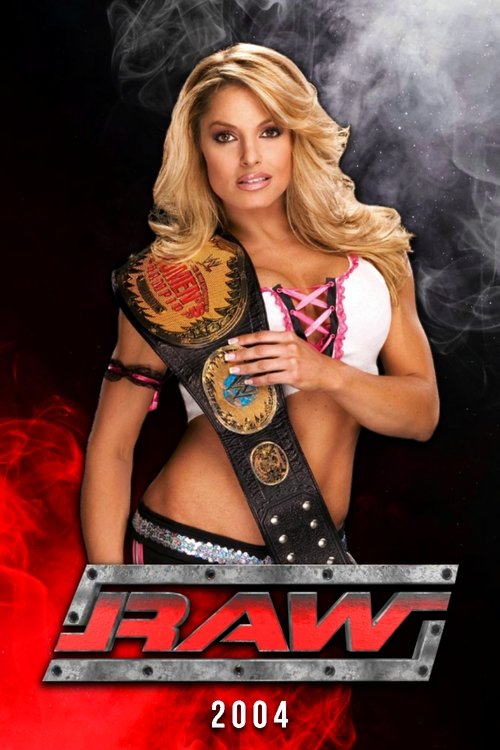
Evolution takes its next step in 2004 as Triple H, Ric Flair, Randy Orton, and Batista run roughshod over Raw. Lita rides an emotional roller coaster, a Rock 'n' Sock reunion electrifies, and more.
Season Review
Categorical Breakdown
The narrative focus is on classic power dynamics, ambition, and betrayal (The Evolution breakup) rather than on race or immutable characteristics. Heroes and villains are defined by their actions and character merit within the wrestling world, adhering to a universal meritocracy framework. There is no evidence of vilification of 'whiteness' or forced insertion of diversity based on political agenda.
The content does not feature hostility toward Western civilization, one's home, or ancestors. Storylines revolve around personal feuds, championship goals, and faction infighting. Institutions like the company or the heel's 'Dynasty' are presented as power structures to be fought over or against, not as a fundamentally corrupt reflection of Western society.
While female wrestlers (Divas) are not portrayed as 'perfect Girl Bosses,' the women's division of this era is heavily based on sexual objectification, exemplified by the 'Diva Search' competition and matches like 'Bra and Panties' matches, which runs counter to the modern 'woke' feminist trope. However, one specific, highly controversial storyline involves a female character attempting to provoke a miscarriage to spite the biological father (Kane) and protect her relationship (with Matt Hardy), which represents an extremely high degree of the 'anti-natalism' element in the 10/10 definition.
The core programming operates under a normative structure. Sexual dynamics are private or used for traditional melodramatic love triangles and forced marriages. There is no presence of 'Queer Theory,' gender ideology, or narrative centering of alternative sexualities as a political statement or social lecture.
There is no overt hostility toward religion, nor are Christian characters specifically depicted as villains or bigots. The morality, while subjective to the face/heel dynamic of professional wrestling, operates within a standard good vs. evil framework and avoids deep philosophical or anti-theistic messaging.