Raw
Season 10 Analysis
Season Overview
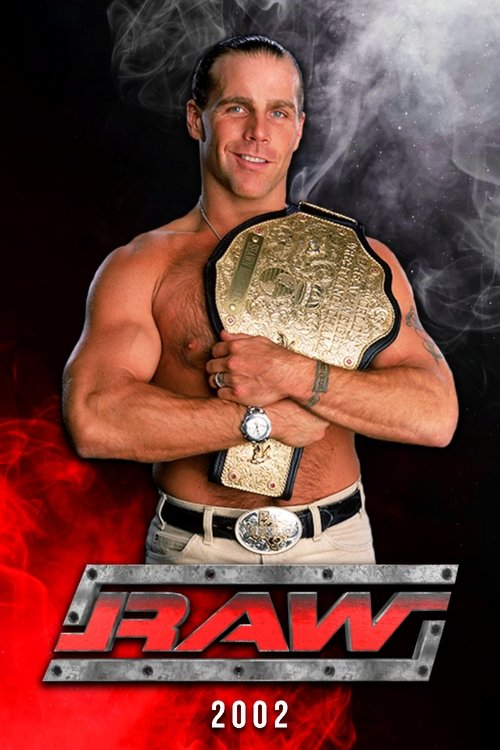
A new era begins in 2002 as the Brand Extension Draft divides WWE Superstars between Raw and SmackDown. Mr. McMahon shocks the WWE Universe by hiring his former arch nemesis from WCW as Raw's General Manager.
Season Review
Categorical Breakdown
The narrative universally focuses on competition and individual character gimmicks, which serve as a meritocracy within the kayfabe structure. Success and failure depend on a performer’s ability to win matches or outmaneuver authority figures, regardless of race or background. There are no discussions or lectures on systemic oppression or vilification of 'whiteness' as an inherent evil.
The show is focused on an internal corporate and competitive battle between the Raw and SmackDown brands for supremacy. Storylines feature no deconstruction of Western heritage or demonization of ancestral culture; patriotic or nationalistic gimmicks are used as standard wrestling tropes.
Gender dynamics lean heavily toward traditional hyper-masculinity and the sexualization of female characters (the 'Divas' division) through non-wrestling angles and sex appeal. While there are powerful female authority figures like Stephanie McMahon, their portrayal is that of a traditional 'ice queen' or corrupt boss figure, not a feminist 'Girl Boss' archetype promoting career-over-motherhood or emasculating men for ideological reasons.
The core of the show adheres to a highly heteronormative structure. The most notable 'alternative' sexuality storyline (Billy and Chuck's wedding) concludes with the reveal that the characters were never actually gay, which rejects the centering of non-normative sexuality for a political or social message.
The score is neutral because the show's moral framework is inherently subjective, as is typical of professional wrestling where 'faces' (heroes) and 'heels' (villains) define good and evil moment-to-moment based on whether the crowd cheers or boos them. This satisfies the 'Morality is subjective power dynamics' element, but there is no explicit or sustained hostility toward traditional religion, specifically Christianity, or any religious character being framed as the root of evil.