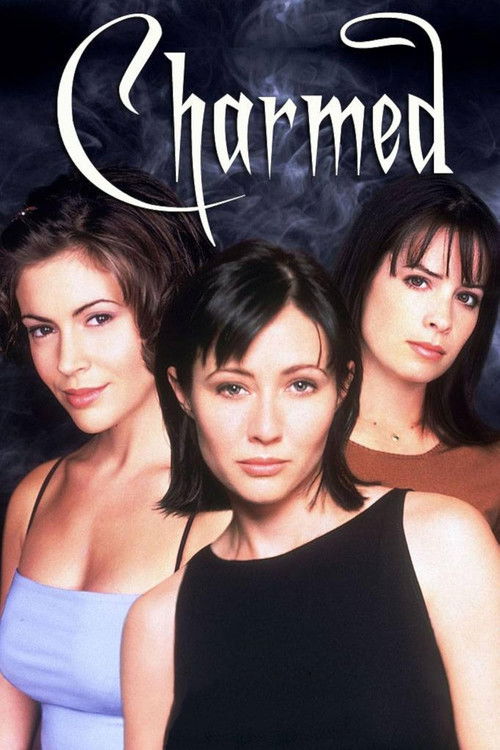
Charmed
Season 1 Analysis
Season Overview
The three Halliwell sisters discover that they are descendents of a line of female witches. Each has a special ability (stopping time, moving objects, seeing the future), and they can also combine their abilities into the "Power of Three" to fight demons, warlocks, and other evils.
Season Review
Categorical Breakdown
The show features a homogenous lead cast and judges characters based on their actions rather than their skin color or ethnic background. There is no mention of systemic oppression or intersectional hierarchy.
The Halliwell sisters show deep respect for their family history and their grandmother's legacy. They treat their ancestral home as a sanctuary and take pride in their heritage.
While the leads are powerful women, they are not depicted as flawless 'Mary Sues.' They struggle with their responsibilities and frequently rely on the protection and competence of male characters like Andy Trudeau.
The season strictly adheres to normative romantic structures. All primary and secondary romantic relationships are heterosexual, and there is no inclusion of gender ideology.
The series operates within an objective moral framework of good versus evil. While it utilizes Wiccan themes, it does so through a lens of spiritual duty and does not attack traditional religious institutions.