South Park
Season 24 Analysis
Season Overview
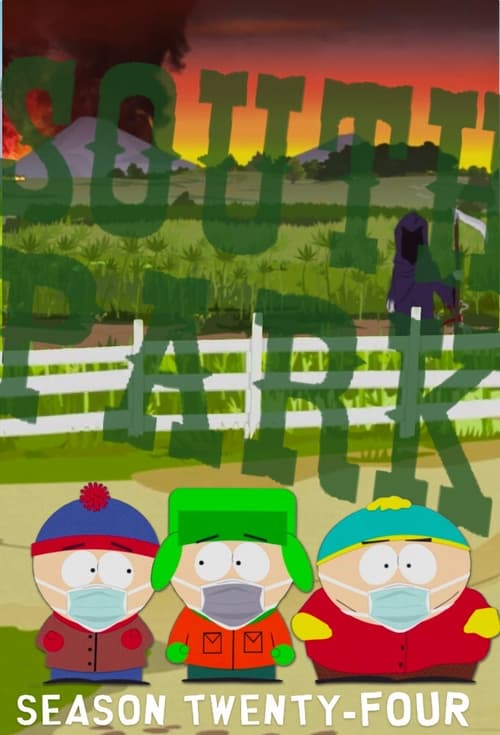
Join Stan, Kyle, Cartman, and Kenny as they navigate the COVID-19 pandemic. Will the broship survive as vaccines become available? For them, it’s all part of growing up in South Park!
Season Review
Categorical Breakdown
The plot contains a dedicated storyline tackling 'police brutality and racial unrest' with a subplot that vilifies over-armed, poorly trained police officers, a key theme of systemic oppression. Randy Marsh, a white male, is the character responsible for causing the entire global pandemic through selfish actions, aligning with the 'white male depicted as incompetent/evil' trope.
The narrative portrays American society as fundamentally broken, paranoid, and easily fractured by events like the pandemic and political conspiracy theories. Every major institution—the police, the school system, and the family—is shown to be utterly dysfunctional. However, the children's plot is driven by an intense desire to reclaim their past 'normalcy,' mitigating the civilizational self-hatred by suggesting an ideal to which they wish to return.
Sharon Marsh is one of the most rational and grounded adults in the entire narrative, serving as a foil to her bumbling, self-serving husband, Randy. This follows the trope of the competent female counterpart to the incompetent male. The season does not introduce 'Girl Boss' characters or lecture on anti-natalism, with the focus remaining on the actions and neuroses of the male protagonists.
No storyline or character arc centers on alternative sexualities, deconstructing the nuclear family, or specific gender ideology. Mr. Garrison's return from his previous persona focuses exclusively on political extremism and QAnon conspiracy theories, not his gender identity or sexual orientation.
The core conflicts of the specials are entirely secular, focusing on public health crises, political conspiracies, and social media-driven paranoia. Traditional religion is neither a source of strength nor a target of direct condemnation or hostility. The moral vacuum portrayed is societal and political, not spiritual.