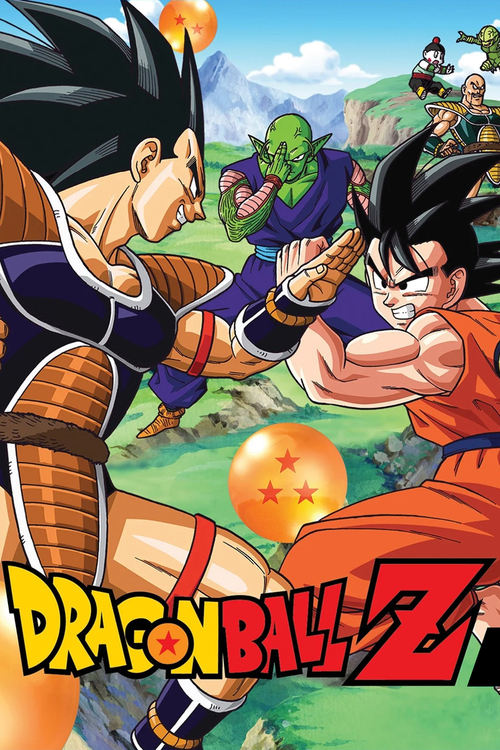
Dragon Ball Z
Season 1 Analysis
Season Overview
After years of peace since the defeat of Piccolo Daimaoh, Goku now lives peacefully with his wife, Chi-Chi, and their son, Gohan. But everything changes when a mysterious warrior called Raditz arrives on Earth, revealing that he is Goku's brother and that they both belong to the warrior race of the Saiyans, a brutal people who conquer planets.
Season Review
Categorical Breakdown
Characters are judged solely on their fighting ability, dedication to training, and moral character, a pure embodiment of universal meritocracy. Goku, a low-class Saiyan, and the Earthlings demonstrate that hard work and choice outweigh the Saiyan biological 'elite' status, directly contradicting a hierarchy of birthright. The primary conflict is good versus evil, not based on human identity markers, and there is no forced vilification of any group.
The central dramatic conflict is the defense of Earth and its people against the existential threat of alien Saiyan conquerors. The narrative strongly champions Earth's peaceful culture and human connection, establishing it as the benevolent 'home' that must be protected, which makes Goku's brutal alien ancestry the clear antagonist. The former villain Piccolo sacrifices his life for Gohan, demonstrating a noble conversion to the values of Earth and familial loyalty.
Gender roles are overwhelmingly traditional and complementary. Chi-Chi fulfills the domestic role as a protective mother and wife, demanding her son focus on academics over fighting, which is anti-military but pro-family and pro-natalism. Bulma serves a vital, high-status role as the scientific and technological genius who makes key plot devices and travel possible. Female characters' strength is expressed either through intellect or their complementary position as moral anchors of the family, far removed from the 'Girl Boss' or emasculation tropes.
The series exclusively features and champions the normative structure of the male-female nuclear family, exemplified by Goku and Chi-Chi raising their son, Gohan. The surrogate father-son bond between Piccolo and Gohan is framed through protective, non-sexual roles. There is a complete absence of alternative sexual ideology, deconstruction of the nuclear family, or any lecturing on gender theory.
The world features a clear, established spiritual hierarchy, including Kami (God), King Kai, and an afterlife with distinct paths for good and evil souls, which enforces objective moral accountability. Selfless acts of sacrifice, such as Goku dying to save Earth and Piccolo dying to protect Gohan, are celebrated as the highest moral action. Faith in a transcendent moral order is a fundamental part of the world's structure.