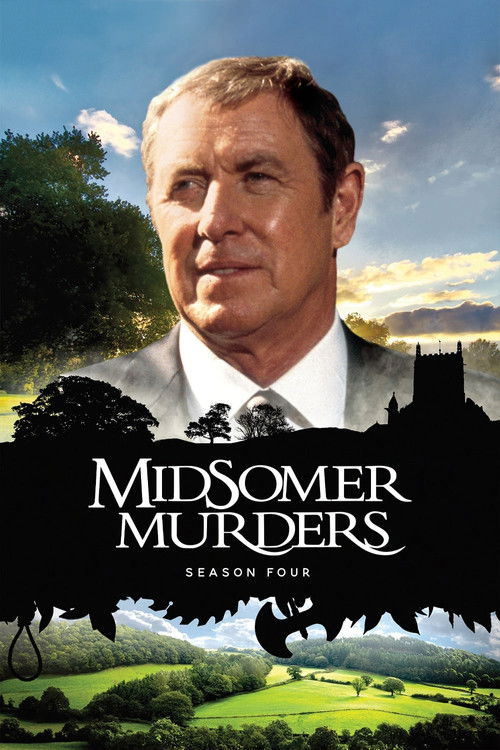
Midsomer Murders
Season 4 Analysis
Season Overview
No specific overview for this season.
Season Review
Categorical Breakdown
The narrative operates entirely on universal meritocracy and individual character flaws, not race or intersectional hierarchy. The cast is overwhelmingly homogeneous white British, which is historically authentic to the setting and time of production (2000-2001), showing no signs of 'forced diversity' or 'race-swapping.' Villains and heroes are defined by their actions and secrets, not immutable characteristics.
While the show constantly exposes the dark secrets and corruption beneath the 'idyllic' facade of British village life, the deconstruction is of human hypocrisy, not the civilization itself. The episodes often center on conflicts over heritage (e.g., a memorial garden, old manors, bell-ringing tradition), but the protagonist, DCI Barnaby, acts as the moral compass and defender of order, upholding the institutions of justice against chaos. This is deconstruction of a *façade*, not civilizational self-hatred.
Female characters are not presented as 'Mary Sue' or 'Girl Boss' archetypes. They are complex individuals who are equally likely to be victims, murderers, or simply morally flawed citizens. Episodes like 'Market for Murder' depict women as ambitious, forming a secret investment club, but this ambition is tied to the central mystery of greed and murder, not a gender-based lecture on fulfillment. The dynamics are complementarian in a traditional sense, with no overt anti-natalist messaging; Barnaby's family is portrayed as a stable, loving unit.
The season contains no discernible content related to LGBTQ+ sexual ideology, gender theory, or the centering of alternative sexualities. The romantic and sexual drama revolves entirely around traditional themes of infidelity, jealousy, and heterosexual affairs as a source of conflict and motive for murder. The nuclear family structure is presented as the default, normative setting.
The series uses traditional religious settings, such as churches and vicars, simply as backdrops and occasional plot devices within the corrupt village setting, such as a vicarage being a place of refuge in 'Garden of Death.' Faith is not attacked as the 'root of evil'; rather, the show is a classical mystery that affirms objective moral law (murder is wrong) by showing the protagonist's commitment to exposing the truth.