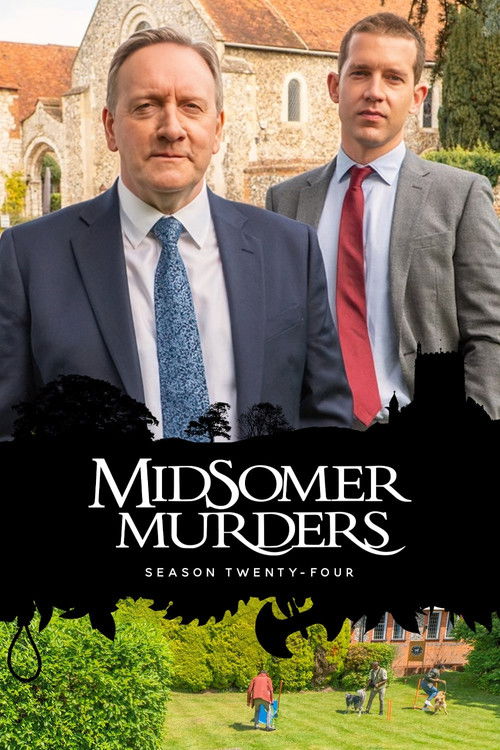
Midsomer Murders
Season 24 Analysis
Season Overview
The peacefulness of the Midsomer community is shattered by violent crimes, suspects are placed under suspicion, and it is up to a veteran DCI and his young sergeant to calmly and diligently eliminate the innocent and ruthlessly pursue the guilty.
Season Review
Categorical Breakdown
The series receives complaints of having 'turned woke' due to a continued pattern of noticeable casting diversity, moving away from the traditional all-white setting of the fictional villages. While the narrative does not overtly lecture on systemic oppression, the inclusion of contemporary social flashpoints like eco-villages and social influencers is perceived by some as forced thematic messaging over organic storytelling.
The theme of civilizational self-hatred is present as a plot device in at least one episode. The eldest son of a centuries-old estate immediately rejects his family’s heritage, planning to sell the land for a solar park and convert the ancestral home into a modern art community. However, this character is consistently portrayed as a villainous 'jerkass,' which positions the narrative's sympathy with the defense of the inherited estate rather than its deconstruction, thus keeping the score moderate.
The character of Dr. Fleur Perkins is a highly competent female professional whose dialogue and behavior are overtly sexualized. Her interactions consistently include making the younger male sergeant, DS Winter, visibly uncomfortable with comments that create an emasculating, hostile work environment for him. This embodies the professional 'Girl Boss' trope, which asserts dominance through sexual agency and competency over the male colleague.
While direct LGBTQ+ plotlines for Season 24 are not prominently featured in the main synopses, the series has a confirmed pattern of including 'pro-queer' and 'trendy topic' narratives in its recent seasons, which has been a major source of fan backlash against the show becoming 'woke.' This persistent ideological inclusion is not central to the main plot but is seen as an intrusive element by a segment of the audience.
The series maintains a strong secular tone where all eccentric groups—from neo-pagan witches to local faith groups—are equally likely to be the source of depraved murder. The core conflicts are driven by secular vices like greed, legacy disputes, and envy. The theme of converting a chapel into a gallery for ego-driven art suggests a spiritual vacuum where secular pursuits replace the transcendent.