The X-Files
Season 1 Analysis
Season Overview
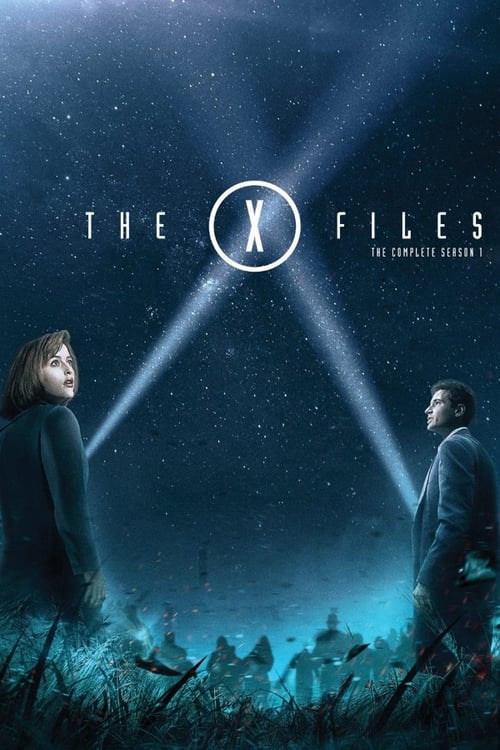
Two agents from vastly different backgrounds join forces to solve cases the FBI has labeled X-Files, involving paranormal or unexplained phenomena. Both are determined to uncover hidden truths — one searching for otherworldly answers, the other for more earthbound scientific explanations. Together they will make discoveries neither could have ever imagined.
Season Review
Categorical Breakdown
The main cast is primarily white, with minimal racial diversity among main or recurring characters in Season 1. The villains, known as The Syndicate, are a powerful cabal of unelected, old white men who are fundamentally evil and corrupt, which suggests a vilification of a specific demographic in power. The plot does not exist to lecture on systemic oppression or privilege; characters are judged by their competence and soul, aligning with meritocracy.
The central mythology of the series establishes that the highest levels of the United States government and its institutions, including the FBI and military, are fundamentally corrupt. They actively conspire to hide the truth from the American people, betraying their nation for self-serving reasons. The national government is framed as a shield for chaos and deception, not a shield against it. Distrust of the nation-state is the driving force of the show.
Dana Scully is an FBI Agent and medical doctor who is rational, skeptical, and driven by science, a powerful career woman. She is the intellectual equal, and sometimes superior, to her partner Mulder. She is a strong female lead, but her presentation avoids the 'Girl Boss' trope as she is not instantly perfect and is often professionally subordinate to male superiors. Mulder is depicted as a brilliant, passionate agent, not a bumbling idiot, and Scully’s long-term character development includes desires for family, which offsets an anti-natal message.
The main characters maintain a traditional, non-sexual partnership in Season 1. However, the episode 'Gender Bender' features an alien-like race whose members can shift between male and female forms for the purpose of procreation. This puts the concept of a non-binary/gender-fluid characteristic at the center of a 'monster-of-the-week' plot, associating alternative biological reality with an otherworldly threat. The nuclear family structure is the assumed societal standard for the leads.
Agent Dana Scully is established as a practicing Roman Catholic who wears a cross and holds a deep-seated faith, which serves as a source of strength and morality for her character. This faith is directly contrasted with Mulder's scientific/paranormal belief system. While one standalone episode about a faith healer was criticized for depicting a stereotypical Christian milieu, traditional religion is presented as a valid, transcendent moral system through the main heroine.