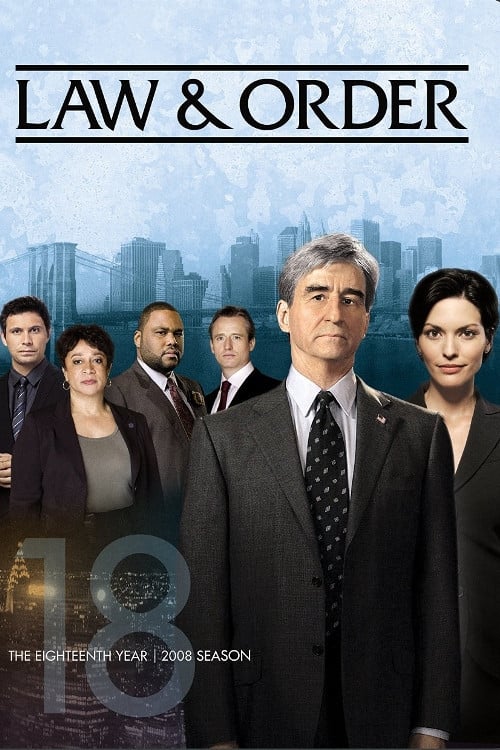
Law & Order
Season 18 Analysis
Season Overview
No specific overview for this season.
Season Review
Categorical Breakdown
A few episodes tackle racially-motivated crimes and the political climate surrounding immigration, but the narrative frames these as complex social issues to be debated and prosecuted, not as a simplistic lecture on systemic oppression. Characters are defined by their merit and legal competence, and the core cast features appropriate racial diversity that feels natural for a New York procedural.
The season critiques corporate greed, specifically focusing on multinational corporations and political corruption, and an episode addresses tensions at an immigration rally. The narrative's criticism is directed at specific flaws within a modern American system, such as corporate power and political machinations, but it does not frame American culture or Western civilization as fundamentally corrupt or racist. The integrity of the justice system itself remains the essential core of the series.
ADA Rubirosa is a highly intelligent, capable professional who is a central pillar of the prosecution team. She is neither a Mary Sue nor is she portrayed as a superior moral authority to her male colleagues. Male characters, including the new EADA Cutter, are not emasculated but are shown as strong, often ethically questionable, and competent. The focus is strictly on career, which is typical for the series, with no prominent messaging about motherhood or family as a 'prison.'
The season contains no significant plotlines that center alternative sexualities, deconstruct the nuclear family, or engage with gender ideology, which is consistent with network television programming from 2008. The show's structure focuses on the traditional criminal case, keeping matters of private sexual identity largely outside the narrative.
One case involves a 'crazy religious group' and another a faith-based killing, which is a common 'ripped from the headlines' trope for the series. The show critiques the extremist actions of a fringe group and the misuse of faith to justify crime, but it does not generalize this vilification to all traditional religion or Christianity itself. The foundation of the legal system, which the show celebrates, relies on objective moral laws, keeping the score low.