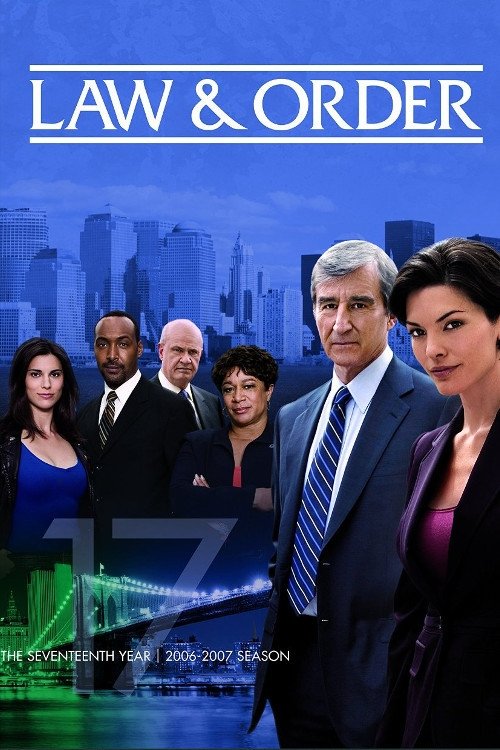
Law & Order
Season 17 Analysis
Season Overview
No specific overview for this season.
Season Review
Categorical Breakdown
The narrative's focus is on critiquing political and ideological positions rather than immutable characteristics. One episode targets an anti-Semitic actor, while another is a clear critique of a controversial right-wing female pundit. The core cast includes competent male, female, Black, and Latina-presenting characters, reflecting a balanced diversity without explicit lectures on systemic oppression or white vilification. Character merit still generally dictates competence in the courtroom, though the detective side is less stable.
Multiple episodes actively criticize major US institutions. One plot attacks military contractors and the government's failure to support soldiers killed due to faulty equipment. Another episode explicitly deconstructs the military's treatment of returning veterans, referencing the Walter Reed scandal. The show's focus on corruption and incompetence within the American system and political media is a strong display of civilizational self-hatred, framing the home culture as fundamentally flawed and exploitative.
New Assistant District Attorney Connie Rubirosa is portrayed as competent and professional, balancing the legal team. The new Junior Detective Nina Cassady is widely criticized by viewers and in-universe for being a poor detective, which prevents her from achieving the 'perfect Girl Boss' trope. One episode deals directly with the sexual exploitation of a co-ed in the 'Babes Being Bad' industry, treating the theme as a complex criminal issue rather than a simplistic gender power lecture. The dynamic remains largely professional without overt anti-natalist or emasculating themes in the main cast.
The episode 'Church' centers its entire plot on the murder of a gay actor who was threatening to expose a powerful, prominent pastor's hypocrisy. The narrative explicitly connects the pastor's public condemnation of homosexuals with his own secret life and the resulting violence, thereby framing traditional religious intolerance as a catalyst for crime. This thematic choice centers alternative sexuality while portraying the normative religious structure as fundamentally duplicitous.
The season contains multiple plots where traditional, conservative Christianity is the source of the season's villainy. The episode 'Church' depicts a Christian pastor as a hypocrite whose public intolerance leads to murder. Another episode portrays a father advocating for Intelligent Design in schools as an 'evil lunatic' seeking to kill 'sinners.' This consistent, aggressive depiction of traditional religious figures and beliefs as the root of evil, hypocrisy, or dangerous extremism hits the highest possible score in this category.