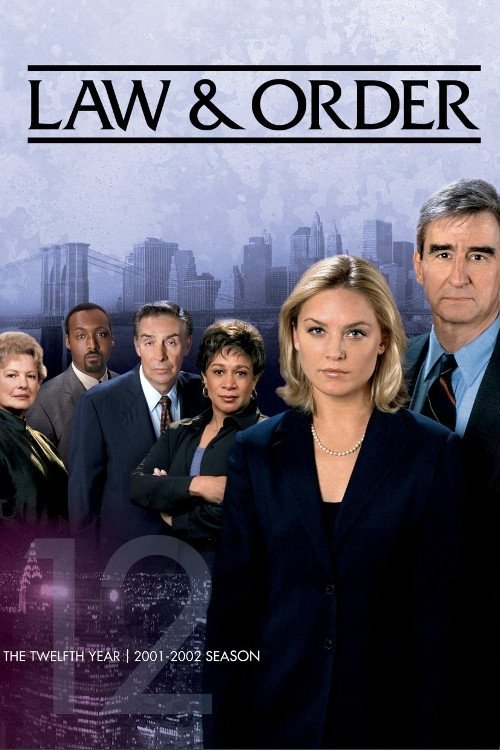
Law & Order
Season 12 Analysis
Season Overview
No specific overview for this season.
Season Review
Categorical Breakdown
The narrative treats race and institutional failures (like wrongful conviction or hate crimes) as specific crimes or procedural issues to be fixed within the justice system, not as an all-encompassing lecture on privilege or systemic oppression. Character competence is judged by merit; the main detective and lieutenant characters, which include a Black man and a Black woman, are portrayed as highly effective professionals.
The season's overarching context is the post-9/11 era, which includes a dedication to the victims, reinforcing a theme of civic resilience and defense of the American system. While institutional flaws are exposed (e.g., military misconduct, police corruption), the narrative goal is to correct and uphold the system, not to frame Western civilization as fundamentally corrupt or racist. An extreme environmentalist group is depicted as a criminal element, countering the 'Noble Savage' trope.
Female leads (Lieutenant Van Buren, DA Lewin, ADA Southerlyn) are prominent, but their competence does not require the emasculation of the male leads (Briscoe, McCoy, Green), who remain effective and respected. ADA Southerlyn immediately faces an ethical challenge that puts her career at risk, which prevents her from being a 'perfect' Mary Sue. The overall focus is on professional roles within the legal system, not anti-natalist or anti-family messaging.
Alternative sexualities are a minor presence in one episode, 'Girl Most Likely,' which involves a lesbian victim in a murder case. The focus remains on the crime itself and the legal process, not on elevating sexual identity as the most important trait or deconstructing the nuclear family as an institution. The default structure and cases align with normative male-female pairings in the context of criminal law.
The episode 'The Collar' engages directly with a traditional religious institution by exploring the legal boundaries of the confessional seal, treating the religious structure with respect. The show's foundation is the pursuit of objective truth and the higher moral law embodied by the criminal justice system, which works directly against the acceptance of moral relativism.